

Whoa! I grabbed my laptop one morning and realized my wallet felt clunky. I felt that immediate little pit in my stomach—somethin’ was off. The browser extension I relied on kept nagging me with weird permission prompts and tiny UX traps. At the time I thought “meh, it works,” but my instinct said otherwise.
Seriously? Not every wallet is built the same. Some are flashy and pretty, while others actually save you time and grief. I’m biased, but in the DeFi world that usability and security co-design matters a lot—especially when you hop chains and dApps every day. On one hand you want convenience; on the other, you cannot hand over frictionless permission to anything that asks for it.
Here’s the thing. Shortcuts are easy to love. They also tend to be where hacks start. My early days in DeFi were full of dumb mistakes—copying addresses wrong, approving limitless allowances, accepting transactions with fees I didn’t understand. I learned the hard way that the right extension wallet can prevent a lot of those headaches. At some point you want a tool that nudges you toward safer defaults without being obnoxious about it.
Hmm… this part bugs me. Many wallet extensions treat every dApp connection like a bank vault robbery. They either annoy you with too many confirmations or they let you authorize broad access with a single click. There are better middle roads—wallets that provide per-contract controls, approvals review, and scoped signatures. And yes, some of those wallets are also multi-chain friendly, which is huge if you trade or move assets across networks frequently.
My instinct said—try one that actually understands multi-chain flows. Initially I thought more networks meant more risk, but then I realized that good wallets abstract the complexity while preserving control. Actually, wait—let me rephrase that: the wallet should let you see and manage which network you’re operating on, show gas estimates clearly, and keep approvals transparent. When those pieces line up, your flow feels intuitive and fast.
How to evaluate a multi-chain browser extension wallet like a pro
Whoa! Quick checklist first. Does it show chain context clearly? Does it let you create a separate wallet profile for different use-cases? Those sound simple, but they matter. On a technical level, you want deterministic behavior: consistent account derivation, clear key-management, and local signing of transactions rather than remote custody… things that keep your keys in your control.
Okay, so check this out—UX matters more than people give it credit for. If your wallet buries transaction details or hides contract addresses behind truncated labels, you’ll click the wrong thing eventually. A good wallet shows full addresses on-demand, surfaces nonce and gas adjustments without jargon, and groups pending approvals so you can revoke them. The difference between a wallet that helps and one that hurts is often a single interface decision.
I’ll be honest: security-first features can feel heavy at first. But the wallets that survive real-world use tend to make security a convenience. Features like transaction simulation, deny-by-default logic for unknown contract calls, and clear warnings for token approvals are lifesavers. My preference is for extensions that also give you an approvals history and a revocation flow that doesn’t require jumping through a dozen menus.
Something felt off about some popular wallets’ approach to approvals. They often present “approve unlimited” as the default. My gut said—why would that be a default? On the flip side, wallets that default to limited allowances, and that prompt you when a dApp tries to escalate permissions, are doing the right thing. This is one reason I switched to an extension that emphasizes granular control and multi-chain clarity.
Okay, practical tips now. Use separate accounts for trading, for yield farming, and for small day-to-day interactions. Consider hardware key integration for large holdings. And keep an approvals audit habit: review and revoke quarterly, or after any major protocol interaction. Small routines like that prevent big losses—very very simple, but extremely effective.
Why multi-chain compatibility is more than just “many networks”
Whoa! Multi-chain isn’t just adding more RPCs. It changes UX, error handling, and risk profiles. Networks behave differently—some confirm faster, others have weird gas dynamics, and token standards can vary. Your extension wallet needs to present those differences clearly, not gloss over them.
On one hand, supporting dozens of chains unlocks access to new liquidity and niche dApps. Though actually, more chains mean more surface area for mistakes if your wallet doesn’t isolate contexts properly. Initially I assumed wallets would sandbox each chain; then I saw a case where an approval on one chain was presented while I thought I was on another. Lesson learned—always verify network context before signing.
My recommendation: pick a wallet that treats each chain as a first-class environment. Look for easy network switching, visible confirmations of the current chain, and clear warnings for cross-chain bridging operations. If it integrates popular RPC providers but lets you add your own, that’s a bonus for reliability and privacy.
Real-world pick: a wallet that gets multi-chain UX right
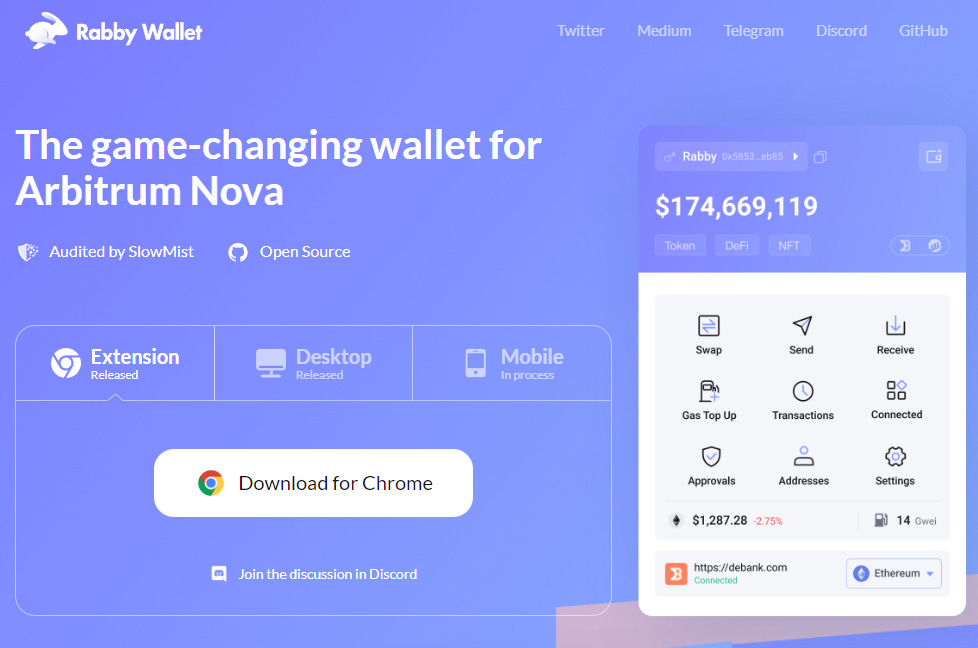
Okay, so check this out—after testing many extensions, I kept coming back to one that balanced usability and safety. It made chain switching intuitive, showed approvals in plain English, and gave me granular control over token allowances. I’m not endorsing everyone, but I do recommend trying rabby if you want a feel for that balance.
My first impression was pleasantly surprised. The flow for hardware integration was straightforward. On the other hand, the approvals dashboard saved me from an accidental unlimited allowance that would’ve been costly. This is the kind of practical protection that doesn’t scream “security” at every click, but quietly keeps you safe.
Common questions
How do I reduce risk when using extension wallets?
Use separate accounts for different activities, enable hardware signing for big funds, audit approvals regularly, and prefer wallets that give explicit, per-contract permissions rather than unlimited grants. Also keep your browser updated and avoid side-loaded extensions or shady RPC endpoints.
What if I use many chains—does that mean more work?
Yes and no. There’s a bit more cognitive overhead, especially around fees and confirmations, but good multi-chain wallets reduce the effort by surfacing chain context and standardizing transaction displays. You still need to be deliberate when bridging or interacting with novel dApps.
Can a browser extension be my primary wallet?
For daily DeFi activity, yes—if it’s designed with local key management, hardware wallet support, and strong approval controls. For long-term cold storage of large holdings, use a hardware wallet and store seed phrases offline. Mix tools based on risk tolerance.